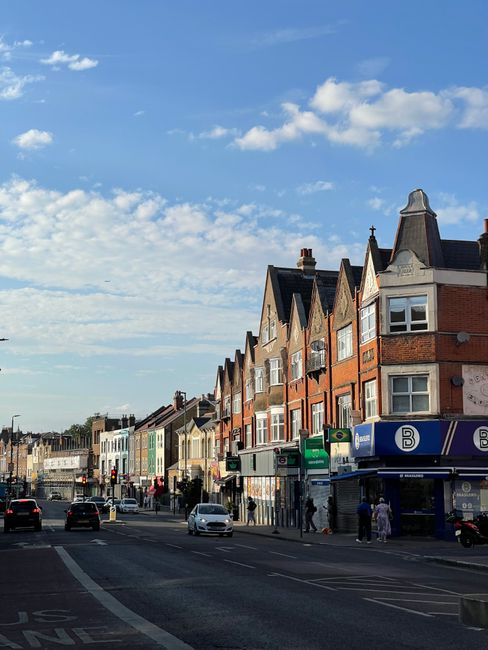
North Ockendon RM14 moving zone: street-by-street guide
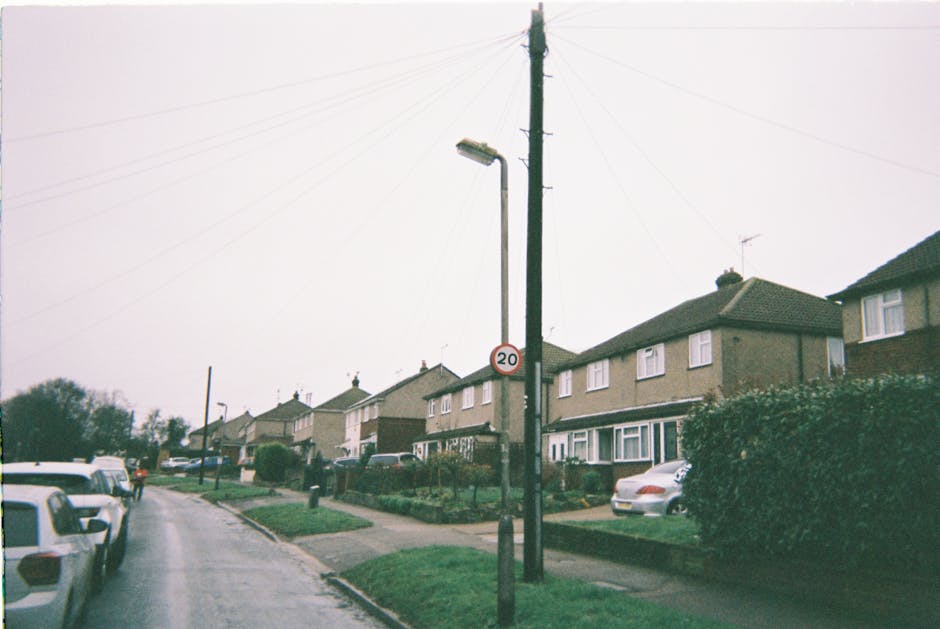
If you are planning a move in North Ockendon RM14, the difference between a smooth moving day and a stressful one often comes down to street-level detail. That is exactly what this North Ockendon RM14 moving zone: street-by-street guide is for. North Ockendon has a mix of quieter residential lanes, wider connecting roads, and pockets where parking, turning space, and access can change from one end of a street to the other. In other words: the postcode matters, but the street matters even more.
This guide explains how the local moving zone works in practical terms, what to look out for street by street, and how to plan a move that avoids last-minute headaches. You will also find a checklist, a comparison of move types, and a few real-world tips that can save time on the day. Let's face it, nobody wants to be the person standing in the road at 8:15 in the morning wondering where the van can safely stop.
Whether you are moving from a family home, a flat, a rented property, or a small business base in the RM14 area, the aim here is simple: help you plan with confidence, reduce risk, and choose the right moving setup for the street you live on.
Why North Ockendon RM14 moving zone: street-by-street guide matters
A move is rarely difficult because of the boxes alone. It becomes tricky when access is tight, the van is too large for the turning space, the nearest parking spot is a bit of a walk away, or the property sits on a road where neighbours, school runs, and delivery vans all seem to arrive at once. That is the real reason a street-by-street guide matters in North Ockendon RM14.
North Ockendon has a distinct local rhythm. Some roads feel open and straightforward, while others are more sensitive to timing and vehicle size. A quiet lane at 10:30 a.m. can feel very different at school drop-off time. Even when a street looks simple on paper, a small bend, hedge line, or narrow entrance can make a big difference for a removal van. You notice it quickly on the day.
This guide helps you think like a mover rather than just a resident. Where will the van park? Is there room for a tail lift? Can furniture come straight out of the front door, or will it need to be carried around the side? Will a bigger vehicle cause issues, or would a man with a van style move be a better fit for the street and the load?
Those are not small questions. They affect timing, labour, safety, and cost. Truth be told, the best moves are usually the ones where the street is understood before the first box is lifted.
How North Ockendon RM14 moving zone: street-by-street guide Works
The idea behind a moving zone is simple: different streets need different move plans. Instead of treating RM14 as one uniform area, you look at the road layout, property type, parking realities, and loading access for each street. Then you match the moving method to that specific situation.
In practice, the street-by-street process usually works like this:
- Identify the exact street and property type. A detached house with a drive is not the same as a terrace with roadside loading only.
- Check access from the front and rear. Side gates, narrow hallways, steps, and garden paths all matter.
- Think about vehicle fit. Larger removal trucks are efficient, but not always the easiest option on tighter roads.
- Plan the timing. Early morning often gives more breathing room. Midday can be busier. Even a few minutes can matter.
- Decide on manpower and handling. Heavy furniture, white goods, and awkward items may need more than a simple man-and-van arrangement.
This is where local experience helps. A team familiar with removals in the area will usually ask questions that sound very practical: How far is the front door from where the van can stop? Is there a slope? Are there steps? Can the sofa clear the hallway without tilting? Small details, but they shape the whole day.
And yes, it may sound a bit obsessive. But in moving, obsessive planning saves money. Funny how that works.
Key Benefits and Practical Advantages
A street-by-street approach gives you more than just neat planning notes. It delivers real, day-of-move advantages that you will actually feel. The van arrives, people know what to do, and the move starts without that awkward scramble where everyone is improvising at once.
- Better vehicle choice: You can choose between a compact moving van, a standard removal van, or a larger truck based on the road and load.
- Fewer parking problems: You are more likely to identify usable parking before move day instead of discovering the only space is half a street away.
- Safer handling: Shorter carrying distances reduce the chance of accidental knocks, drops, or strained backs.
- More realistic timing: Local access is built into the plan, so you are less likely to overrun.
- Lower stress: When everyone knows the access plan, the day feels calmer. You can hear the difference in people's voices, honestly.
There is also a money-saving angle. If access is tight, a large van may not be the smartest choice. On the other hand, if the street allows smooth loading, a bigger vehicle can reduce the number of trips. That balance is exactly why local guidance matters.
Practical takeaway: in North Ockendon RM14, the best moving plan is rarely the biggest van or the cheapest quote on paper. It is the one that fits the actual street, the actual property, and the actual load.
Who This Is For and When It Makes Sense
This guide is useful for a wide range of people, but it is especially helpful if you are dealing with access-sensitive streets, awkward parking, or a move where timing needs to be tight. If that sounds like your situation, you are in the right place.
It makes particular sense for:
- homeowners moving into or out of North Ockendon RM14
- tenants with a fixed handover time and limited parking
- families moving larger furniture from detached or semi-detached homes
- older residents who want a calmer, more carefully managed move
- small businesses needing commercial moves or light office relocation support
- anyone comparing a full removal service with a more flexible van-led option
It is also useful when you are not fully sure what kind of move you need. Maybe the new place is only a mile or two away, so you think it will be easy. But then you realise the collection street is tight and the destination street has limited space. That is when local knowledge pays off.
If you are moving lighter loads, a flexible option such as man and van support may be enough. If the move includes fragile items, several rooms of furniture, or access challenges, a fuller service may be better. The point is not to overbuy. The point is to match the move to the street.
Step-by-Step Guidance
Here is the practical part. If you want to move through North Ockendon RM14 with less friction, this is the sequence that tends to work best.
1. Start with the exact street and property layout
Don't just say "North Ockendon." Pin it down to the road and the property type. A driveway, side access, or front-only entry changes the whole plan. Even the position of a hedge or wall can affect how quickly furniture comes out.
2. Map the loading point
Decide where the van is most likely to stop. Is it right outside the property, around the corner, or a short walk away? If the road is narrow, think about how other vehicles pass. Keep things realistic. A perfect loading point on paper is not much use if it blocks the street.
3. Match the vehicle to the road
A larger truck is efficient if the road allows it. A smaller van may be safer for tighter streets or awkward turns. If you are unsure, a local removal van or a more compact vehicle can be easier to manage than something oversized.
4. Separate heavy, fragile, and awkward items
Fridges, wardrobes, glass tables, and beds should not be treated the same as sealed boxes. Mark them clearly and decide whether they need disassembly, wrapping, or extra carrying help. That little bit of sorting reduces confusion later. Saves arguments too, which is always nice.
5. Plan the order of loading
Place the largest and heaviest items first, then stack around them with boxes and lighter items. If there is a long carry from the van to the front door, keep the heaviest items closest to the vehicle entrance for the right lifting sequence.
6. Build in timing slack
Try not to plan every minute to the edge. North Ockendon roads can be straightforward, but traffic, weather, and parking unpredictability still happen. A small buffer makes the day feel human again.
7. Prepare the property itself
Protect floors, clear hallways, unlock side gates, and make sure keys, meters, and paperwork are easy to reach. Those little tasks save more time than people expect.
Expert Tips for Better Results
Here are the tips that usually make the biggest difference, especially in local moves where the road layout is not perfectly forgiving.
- Do a quick street walk the day before. Stand where the van would park and look back at the entrance. It is amazing how much you spot in two minutes.
- Measure awkward furniture. If your sofa barely fits through the door, don't assume it will magically behave on move day.
- Use simple labels. "Kitchen glass," "bedroom 2," and "fragile" are enough. No need for a masterpiece.
- Keep a small essentials bag separate. Kettle, chargers, medication, keys, snacks, and documents. You will want them first.
- Ask about insurance and handling. A reputable mover should be clear about insurance and safety expectations.
- Plan around local quiet times where possible. Early starts can be calmer. Not always possible, but often worth it.
One small but important point: if a road looks easy to park on, still double-check. Some streets are deceptive. The first car outside the property can hide the fact that the actual loading point is not quite as friendly as you hoped.
In our experience, the best jobs usually begin with two things: clear access and honest communication. Nothing glamorous there, but it works.
Common Mistakes to Avoid
Moving problems are often avoidable. The tricky part is that they are usually avoidable in ways that feel obvious only after the fact. Here are the mistakes that show up again and again.
- Booking the wrong-sized vehicle. Too big and you may struggle with access. Too small and you may need extra trips.
- Ignoring street width or turning space. A van that can reach the postcode may still be a poor fit for the street.
- Leaving parking until the day. That is a classic. Also a bit stressful.
- Not telling the mover about stairs or narrow hallways. These details matter a lot more than people think.
- Forgetting the weather. Wet steps, muddy paths, and slippery drives change the pace of the move.
- Packing in a rush. Half-packed boxes and loose items slow everything down and increase breakage risk.
There is also the cost mistake: choosing purely by price without checking what is included. A lower quote can be fine if the scope is clear. But if access is awkward and the quote assumes a simple loading job, you may end up paying for extras or delays later.
Do not rush the "small" details. They are rarely small on moving day.
Tools, Resources and Recommendations
You do not need a mountain of equipment to move well, but a few basics make life much easier. Think of this as your practical moving kit rather than a shopping list for the sake of it.
Useful items to have ready
- strong boxes in mixed sizes
- packing tape and spare rolls
- marker pens and labels
- blankets or furniture covers
- stretch wrap for drawers and doors
- gloves with decent grip
- door stops to keep routes open
- a torch if access routes are dim or early-morning
Service options worth comparing
If you are weighing up support, these pages can help you compare the type of service you need:
- home moves for standard domestic relocation support
- house removals for fuller household move planning
- packing and unpacking services if you want to save time and reduce stress
- pricing and quotes if you need to compare service scope before booking
- removals near me if you are checking local availability
If you are moving office items, files, or stock, it may also be worth looking at office removals and office relocation services. The needs are different from a home move, even when the street looks the same from the outside.
Law, Compliance, Standards, or Best Practice
For most residential moves, the main concerns are practical rather than heavily regulated, but best practice still matters. You want safe lifting, sensible vehicle positioning, and care for the property and neighbours. That is the baseline.
Reputable moving firms in the UK should be clear about safety procedures, damage handling, and how they manage access challenges. It is also sensible to ask whether the team has appropriate insurance cover and what it does or does not include. That is not being awkward. It is just good sense.
Where a move affects public space, parking, or road access, you should plan carefully and avoid assumptions. In some cases, local restrictions, permit requirements, or practical loading limits may affect how the job is done. If you are unsure, ask early rather than trying to improvise on the morning.
For households with heavy lifting, fragile furniture, or awkward staircases, safety should come first. A careful mover will slow down when needed. Honestly, that is often the mark of a professional team: not speed at all costs, but control.
For broader trust signals, it can help to review a mover's health and safety policy, terms and conditions, and about us information before you book.
Options, Methods, or Comparison Table
Different streets and loads suit different moving methods. Below is a simple comparison to help you decide what makes sense for North Ockendon RM14.
| Move option | Best for | Strengths | Possible limits |
|---|---|---|---|
| Man and van | Smaller moves, light loads, local collections | Flexible, often easier on tighter streets, quick to organise | May be less suitable for large households or bulky furniture |
| Removal van | Medium-sized home moves and mixed loads | Balanced capacity, good for most domestic moves | Can still be tricky on tight access roads if the vehicle is too large |
| Removal truck | Larger homes, fuller loads, commercial items | More volume in fewer trips | Needs better access and parking space |
| Packing support | Busy households, fragile items, time-poor movers | Reduces stress and speeds up move day prep | Extra cost, though often worthwhile if time is tight |
The right choice is not always the biggest one. A narrower road, a tricky corner, or a tight driveway can quickly change the equation. For a lot of RM14 moves, the sweet spot is a practical vehicle size with enough manpower to keep the loading smooth.
Case Study or Real-World Example
Here is a realistic example based on the kind of move people often face in North Ockendon.
A couple are moving from a three-bedroom house on a quiet residential street into a property a short distance away in RM14. On the surface, it looks straightforward. But the collection street has limited kerb space, a narrow turning area, and a fairly long walk from the most practical parking point to the front door. The destination has easier access, but there is only a short window before neighbours return from work and parking gets tighter.
At first, they assume a larger van will save time. After checking the street layout, they switch to a slightly smaller vehicle with extra handling support. They also separate the heavy furniture, label the boxes by room, and load the items in the right order. The move still takes effort, of course. It is moving. But it avoids the two things that usually cause grief: blocked access and rushed handling.
What made the difference? A little patience before the day and a realistic view of the street. Not flashy. Just effective.
That is the part people remember later: not the exact van size, but the fact that nothing went wrong.
Practical Checklist
Use this checklist a few days before the move. It is simple on purpose.
- confirm the exact street, postcode, and property type
- check where the van can safely park
- measure the biggest furniture items
- confirm stairs, side access, and doorway widths
- choose the right vehicle size for the road
- label boxes by room and priority
- set aside essentials for the first 24 hours
- protect floors and fragile surfaces
- check the mover's insurance and service terms
- keep contact details and keys easy to reach
- build in time for traffic, weather, and delays
- prepare a backup plan if the nearest parking space is taken
Quick summary: if you only do three things, make them this: verify access, choose the right vehicle, and keep the packing clear. Those three alone can change the whole day.
Conclusion
North Ockendon RM14 is not a one-size-fits-all moving area. The streets, access points, parking pressure, and property layouts can vary enough that a street-by-street guide is genuinely useful. Once you break the move down into practical pieces, the whole process becomes less intimidating and far more manageable.
The best outcome usually comes from careful planning, honest access checks, and a moving setup that fits the road rather than fighting it. Whether you are moving a small flat load or a full house, that approach gives you a better chance of a calm day and fewer surprises. And to be fair, moving day throws enough surprises at people already.
If you are comparing options and want a clear idea of what suits your street and load, take a look at the available service pages, review the support levels you need, and choose the route that feels genuinely practical rather than simply cheap. A good move should feel steady, not rushed.
Get a free quote today and see how much you can save.
When the boxes are stacked and the van door closes, the best feeling is knowing you planned it properly. That little bit of order goes a long way.
Frequently Asked Questions
What does a street-by-street moving guide actually mean?
It means planning the move around the exact road, access point, and property layout rather than treating the whole postcode as identical. In North Ockendon RM14, that can make a real difference to parking, loading, and timing.
Is North Ockendon RM14 suitable for a large removal truck?
Some streets may suit a larger vehicle, but not all. Wider roads and easy loading spots are more forgiving, while narrower lanes or tighter turning areas may be better served by a smaller van or a more flexible setup.
How do I know if I need man and van or full removals?
If you have a smaller load, limited furniture, or a short local move, man and van support may be enough. If you are moving a full household, bulky items, or several rooms of belongings, fuller house movers or removal services may be more suitable.
Do I need to worry about parking on moving day?
Yes, absolutely. Parking is often one of the biggest practical factors in any local move. Even if the street seems quiet, another vehicle, delivery van, or neighbour's car can change your loading plan quickly.
How far in advance should I plan a move in North Ockendon?
The earlier, the better. Even a basic local move benefits from a few days of planning, and more complicated moves need longer. If the property has awkward access, start planning as soon as you have a date.
What should I tell the moving team before booking?
Tell them about stairs, long carries, narrow hallways, parking restrictions, fragile furniture, and any awkward access points. The more honest the description, the more realistic the quote and planning will be.
Can packing services really save time?
Yes, especially if you are working long hours or have a lot of fragile items. A well-organised packing service can reduce stress and speed up move day prep, though it is worth checking exactly what is included.
What if my street is too tight for the van?
If the street is tight, you may need a smaller vehicle, a different loading point, or extra carrying time. Sometimes a route that looks less direct is actually the safer and faster option. Not glamorous, but practical.
Are insurance and safety checks important for a local move?
They are very important. You want to know how items are handled, what cover is in place, and what happens if something goes wrong. It is sensible to review the mover's insurance and safety details before booking.
What is the best time of day to move in RM14?
Early starts often work well because roads can be calmer and access is easier. That said, the best time depends on the specific street, the property, and any restrictions or personal timing needs.
How do I avoid delays on moving day?
Keep boxes labelled, clear the pathways, confirm parking in advance, and have keys and essentials ready. Small delays tend to snowball, so those simple steps matter more than people expect.
Can I compare local moving options before I decide?
Yes. It is sensible to compare vehicle size, labour support, packing help, and pricing so you can choose a service that fits the street and the load. If you need a starting point, review the site's removal company information and service details first.