Moving near Rainham Marshes: transport and routes
Posted on 06/05/2026
Moving near Rainham Marshes sounds straightforward until you start mapping the real-world details: narrow approach roads, changing traffic patterns, nearby industrial estates, and the simple fact that moving day rarely behaves like a neat timetable. If you are planning a home move in this part of east London, understanding transport and routes is not a small detail. It is the difference between a calm unload and a van stuck where nobody wants it to be, doors open, kettle not yet unpacked, everyone a bit frazzled.
This guide breaks down the local route considerations, the best ways to plan vehicle access, and the practical decisions that make a move near Rainham Marshes much easier. Whether you are heading to a flat, a family house, or a temporary rental, you will find sensible guidance here, plus a few local moving tips that save time, stress, and a fair bit of back-and-forth.
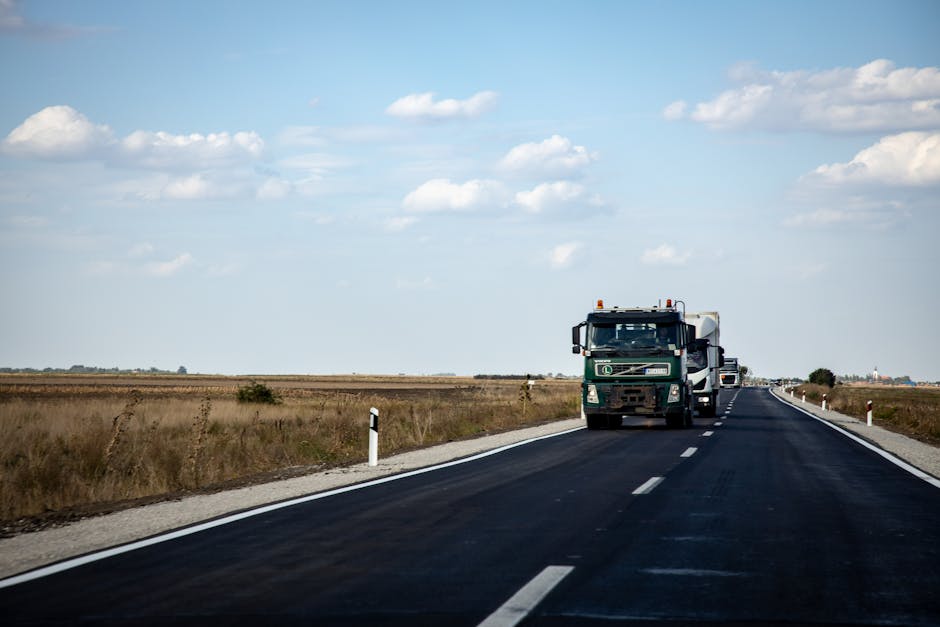
Why Moving near Rainham Marshes: transport and routes Matters
Rainham Marshes sits in a part of Greater London where nature, housing, and logistics meet in a slightly awkward but manageable way. You have open land, conservation areas, local residential streets, and arterial routes feeding in from surrounding districts. That mix matters because moving is not just about distance. It is about access, vehicle size, timing, and whether the route you choose actually works for a loaded van.
In practical terms, a good route plan helps you avoid unnecessary detours, parking issues, and repeated unloading. It also protects your belongings. A sofa being carried in and out of a van three times because the access was misjudged? Nobody needs that. Not the movers, not the furniture, and definitely not your nerves.
It also matters because Rainham Marshes is near transport corridors that can be busy at peak hours, and local roads may not suit every vehicle equally well. A small household move might feel flexible, but a full property move with larger furniture, white goods, and boxes needs a route that can handle the load without drama.
If you are still at the planning stage, it can help to read a few broader moving guides too, such as these practical house-moving tips or this guide to decluttering before you move. Less clutter usually means a smaller van, fewer trips, and less time spent wrestling with the doorframe. Honestly, that alone can transform the day.
How Moving near Rainham Marshes: transport and routes Works
At a basic level, the process is simple: you identify the origin and destination, assess the route, check vehicle access, and then match the moving method to the property type. The reality is a little more layered.
A local move near Rainham Marshes usually involves three route decisions:
- Main travel route: the road corridor used to get the vehicle close to the property efficiently.
- Final access route: the last stretch, which may involve narrower streets, turning space, or resident parking.
- Carrying route: the path from van to front door, including steps, pathways, gates, lifts, and internal hallways.
That last part gets overlooked all the time. A van can arrive on schedule and still lose time if the carrying route is awkward. A slightly long walk from the kerb, a tight stairwell, or a lift that is too small for a wardrobe can change the whole rhythm of the move.
For larger items, it is worth understanding the basics of safe handling too. Our guide on kinetic lifting and body mechanics explains why posture and leverage matter when lifting, and safe solo lifting techniques is useful if you are moving a few items yourself. Lets face it, the phrase "I can just do it on my own" has ruined many a moving afternoon.
When routes are planned properly, the move usually follows a clear pattern: arrive, position safely, unload in priority order, and then place items where they belong. Smooth. Boring, even. That is exactly what you want.
Key Benefits and Practical Advantages
Good transport and route planning near Rainham Marshes gives you more than convenience. It improves the whole move from start to finish.
- Fewer delays: you reduce time lost to U-turns, poor parking, or avoidable congestion.
- Lower handling risk: fewer unnecessary lifts means less chance of scratches, knocks, or dropped items.
- Better cost control: a well-planned route often means fewer labour hours or fewer return journeys.
- Less stress on moving day: nobody likes the feeling of improvising while watching the clock.
- More suitable vehicle choice: you can match the van size to the streets and access points, not just the item list.
- Improved protection for large furniture: wardrobes, beds, sofas and pianos are easier to manage when the route is known in advance.
There is also a more subtle benefit: confidence. When you know how the route works, you make clearer decisions about packing, timing, and what to load first. That makes the whole process feel less chaotic.
If you need a reminder of what good moving preparation looks like, the article on stress-free packing for a house move is a useful companion piece. Pairing packing discipline with route planning is where the real gains happen.
Who This Is For and When It Makes Sense
This kind of route planning is useful for almost anyone moving within or around the Rainham Marshes area, but it is especially important if your move involves one or more of these situations:
- a flat with limited parking or shared access
- a family home with bulky furniture
- student accommodation with time restrictions
- office or small business relocation with delivery windows
- same-day or short-notice moves
- items that need special handling, such as pianos, mattresses or large sofas
It also makes sense for people who are already juggling a lot. If you are moving with children, fitting around work, or coordinating key collection and cleaning on the same day, route efficiency becomes one of those practical little victories that keeps the rest of the day from wobbling.
Students, for example, often need a lighter and quicker setup, which is why student removals support can be a smart option. Office movers, on the other hand, may need more planning around access and equipment, so office removals services are worth considering when timing matters.
And if you are not sure whether your move is simple enough for a van-and-driver arrangement or needs fuller support, this is usually the moment to ask. There is no prize for guessing.
Step-by-Step Guidance
Here is a practical way to think through transport and route planning for a move near Rainham Marshes.
- Map the property access first. Check road width, parking options, gate access, floor level, and whether a lift is available. Note any low branches, tight corners, or awkward reverses.
- List the large or fragile items. Sofas, beds, fridges, wardrobes, pianos, and heavy boxes may shape the route more than the address itself.
- Choose the right vehicle size. A smaller van can be easier in tighter streets, but too small a vehicle may create extra journeys. Balance is the key.
- Plan loading order. Load items that will be needed last at the back, and keep essentials accessible if you are moving straight in.
- Check timing against traffic. Avoid peak congestion where you can, especially if your move involves multiple trips or a long carry from the van.
- Protect the route inside the property. Use floor coverings, door protection, and corner guards if needed, especially in narrow hallways or freshly decorated homes.
- Confirm parking and unloading arrangements. If permits, bay suspensions, or resident parking rules apply, resolve them early rather than on the morning.
- Do a final walk-through. Before leaving, check lofts, cupboards, sheds, and garden areas. The missing box is often in the last place you glanced at, of course.
A small but important clarification: route planning is not only for the van driver. It helps you decide what to dismantle, what to wrap, and what to leave for specialists. For instance, a bed frame or mattress is often easier to manage when disassembled or properly protected; the article on relocating your bed and mattress can help here.
For awkward or high-value items, it is usually wise to get help rather than improvise. That applies especially to piano moves, where careful handling is more important than speed. If that is part of your move, the guide on expert piano relocation is well worth a read.
Expert Tips for Better Results
A few local moving habits make a noticeable difference near Rainham Marshes. They are not fancy. They just work.
- Visit the route in daylight if you can. A road that looks fine on a map can feel very different in person, especially if parking space is limited.
- Keep an eye on weather and surface conditions. Rain, puddles, and slippery driveways slow everything down. You know the type of morning.
- Pre-label boxes by room and priority. The team that unloads can move faster when the first boxes in are the first boxes to go out.
- Use smaller boxes for heavy items. Books into small boxes. Always. Your back will thank you later.
- Prepare an essentials bag. Kettle, charger, medication, keys, tea bags, basic tools. The little things save the day.
- Think about storage if the route or timing is uncertain. If completion times are messy or keys are delayed, temporary storage can make the whole move less pressured.
On that point, a service like secure storage in North Ockendon can be helpful if you need breathing room between moving out and moving in. It is not just for long-term storage; sometimes it is the practical bridge between two awkward dates.
Also, if you are moving furniture that needs wrapping or special attention, have a look at furniture removal support. Big pieces are where route planning and handling technique really meet. That is where the snagging usually happens, to be fair.
Common Mistakes to Avoid
People do not usually make huge mistakes because they are careless. More often, they make a string of small assumptions that add up.
- Assuming parking will be easy. It often is not. Especially if you are moving at a busy time or into a residential street with limited space.
- Choosing the van before checking access. A larger van is not always better. The road matters as much as the load.
- Ignoring lift size and stair angles. A wardrobe that fits in a van may still be a nightmare inside the building.
- Leaving fragile items unprotected. A short journey can still cause damage if the load shifts.
- Forgetting cleaning and handover tasks. Many moves near Rainham Marshes include a final clean, meter check, or inventory walk-through.
- Underestimating how long carrying takes. The route from van to front door is often the hidden time sink.
If you are moving out of a property and want to leave it in good shape, the article on cleaning before you move out is a practical companion. It sounds obvious, but a clean handover can remove a lot of last-minute panic.
Another common oversight is overpacking boxes. Yes, it saves box count. No, it does not save effort. Heavy boxes slow carrying, make stairwork riskier, and can create avoidable strain. You do not want the last box of the day to become the only box anyone remembers.
Tools, Resources and Recommendations
You do not need specialist software to plan a move well, but a few simple tools make the process much smoother.
- Mapping tools: useful for checking access roads, distance, and route alternatives.
- Parking notes: a printed or saved note about where the van can stop, especially on busy roads.
- Room-by-room inventory: helps with loading order and keeps essentials from disappearing into a box marked "misc."
- Packing materials: tape, labels, bubble wrap, blankets, mattress covers, and wardrobe boxes when needed.
- Furniture protection: covers for sofas, corner guards, and blankets for drawers and table edges.
- Basic tools: screwdrivers, Allen keys, and a small torch for dismantling and reassembly.
For packing supplies and a more organised start, packing boxes and materials are a sensible place to begin. Good materials reduce damage. Simple as that.
If you are deciding between a few service styles, the main services overview page can help you compare your options without feeling pushed in one direction. And if you are focused on value, the pricing and quotes page is useful for understanding how to request a tailored estimate rather than guessing from a generic number.
One more recommendation: if you are moving a delicate appliance or a freezer that will sit unused for a while, read these freezer preservation tips. Appliances are easy to forget during a route-heavy move, then awkward to sort out later. Rather annoying, really.
Law, Compliance, Standards, or Best Practice
For most household moves, the main compliance concerns are practical rather than legal: safe lifting, safe driving, sensible loading, and respect for local parking or access rules. If a move involves public highways, loading restrictions, parking bays, or temporary stopping, it is wise to check local requirements in advance. The exact rules can vary by location, so it is better to confirm than assume.
Best practice for moving near Rainham Marshes usually includes:
- driving a vehicle appropriate to the access conditions
- avoiding blocking neighbours, emergency routes, or business entrances
- using safe manual handling methods
- protecting floors, walls, and door frames during carrying
- insuring valuable items appropriately where relevant
If you are hiring help, it is sensible to choose a provider that takes safety and accountability seriously. Pages such as the health and safety policy and insurance and safety information are good signs that a company treats moving as a proper responsibility, not just a quick job.
That matters because moving day can be physical, time-sensitive, and occasionally a bit chaotic. Proper process reduces risk for everyone involved, including neighbours and passers-by. It is one of those things you only appreciate after the move, once the dust settles and the van is gone.
Options, Methods, or Comparison Table
Not every move near Rainham Marshes needs the same solution. The best choice depends on access, load size, timing, and how much lifting you want to do yourself.
| Move type | Best for | Strengths | Potential drawbacks |
|---|---|---|---|
| Man and van | Smaller moves, student moves, a few key items | Flexible, cost-conscious, easier on tight streets | May need multiple trips for larger loads |
| Full house removals | Family homes, larger inventories, heavy furniture | More support, better for complex access and timing | Usually more planning required |
| Flat removals | Flats with stairs, lifts, or limited parking | Good for access challenges, quicker unloading structure | Can still be awkward if the route inside is tight |
| Same-day removals | Short notice moves or timing changes | Fast response, useful in urgent situations | Less room for optimisation, so planning needs to be sharp |
| Storage-assisted move | Delayed completions, staged moves, downsizing | Reduces pressure when dates do not align | Extra handling step if items must be moved twice |
If your move is relatively small and access is decent, a man and van service can be a clean fit. For larger or more complicated house moves, house removals may save you more time and worry overall. Both can be sensible; it just depends on the route and the day.
Case Study or Real-World Example
Picture a typical move near Rainham Marshes on a damp Friday morning. A couple are leaving a first-floor flat for a semi-detached house a short drive away. The addresses are not far apart, which sounds easy at first. But the flat has limited frontage space, the new house sits on a road with tighter parking, and one of the main pieces is a large sofa that does not enjoy being manoeuvred around corners.
Rather than sending in a big vehicle and hoping for the best, the move is planned around access. Smaller boxes are loaded first so the heavier furniture can travel safely. The sofa is wrapped properly. The bed is dismantled in advance. A parking spot near the destination is checked before the van arrives. No heroics. No improvisation. Just a route that makes sense.
The result is a steadier unload, less waiting, and fewer awkward pauses in the hallway while someone tries to decide if the wardrobe can be "angled a bit more." Truth be told, that phrase is often where the problems start.
In a case like this, good route planning also helps with prioritisation. The kettle, bedding, and a few essentials are kept available, so the first evening feels less like camping and more like an actual home. That can be a small thing emotionally, but it matters a lot after a long day.
This is where experience pays off. A move can look simple on paper and still demand careful judgement once the vehicle reaches the street. The job is not just to transport items. It is to make the route work for the items.
Practical Checklist
Use this checklist before moving day. It keeps the route side of the move under control.
- Confirm the full address and any access notes
- Check parking availability at both properties
- Measure large furniture against doors, stairs, and lifts
- Identify any loading restrictions or time limits
- Choose the most suitable vehicle size
- Wrap fragile items and protect furniture edges
- Label boxes by room and priority
- Prepare an essentials bag for the first 24 hours
- Keep tools ready for dismantling and reassembly
- Plan for weather, traffic, and any delays
- Set aside a backup option if completion timings change
- Recheck both routes on the day before departure
If you want a more organised move overall, the guide on stress-free packing pairs nicely with this checklist. Packing and transport planning work best together, not as separate jobs.
Conclusion
Moving near Rainham Marshes becomes much easier when you treat transport and routes as part of the move, not a detail to sort out later. Check access early, match the vehicle to the road, think about the carrying path as well as the driving route, and give yourself room to adapt if timings change. That is the real recipe for a calmer day.
The best moves are not always the fastest ones. They are the ones that feel controlled, safe, and quietly efficient. A little planning goes a long way, especially in an area where local access and road conditions can make a bigger difference than people first expect.
Get a free quote today and see how much you can save.
If you are comparing services, looking for help with furniture, or just trying to turn a messy moving day into something manageable, the next step is simple: choose a moving plan that fits the route, not the other way around. That is usually where the stress starts to drop away.
And once the last box is inside and the kettle is on, it all feels a bit more human again. That is the good part.