Havering Council parking permits for North Ockendon moves
Posted on 22/06/2026
Havering Council Parking Permits for North Ockendon Moves: A Practical Guide for a Smoother Moving Day
If you are planning a move in North Ockendon, parking can be the bit that quietly causes the most stress. The boxes are packed, the kettle is in a random mug, someone is asking where the mattress went, and then the van has nowhere sensible to stop. That is where Havering Council parking permits for North Ockendon moves can make a real difference. Used properly, they help you reduce delays, avoid awkward double-parking, and keep the move feeling organised rather than chaotic.
This guide explains what these permits are, why they matter, how they usually fit into a house move, and what to think about before moving day arrives. It also covers practical planning tips, common mistakes, and a few real-world examples from the sort of narrow, busy, or access-limited streets people often deal with around North Ockendon.
To make the rest of the moving process easier too, you may also want to read your guide to stress-free packing for a house move and pro tips for decluttering your home. Those small bits of preparation tend to save a lot of last-minute faff.

Why Havering Council parking permits for North Ockendon moves Matters
Moving day is always easier when the vehicle can park where it needs to. That sounds obvious, but in practice it is one of those details people underestimate until the van is circling the street and everyone is getting slightly twitchy. In North Ockendon, as in many parts of London, parking spaces near homes can be limited, tight, or shared with neighbours who are also trying to get on with their day.
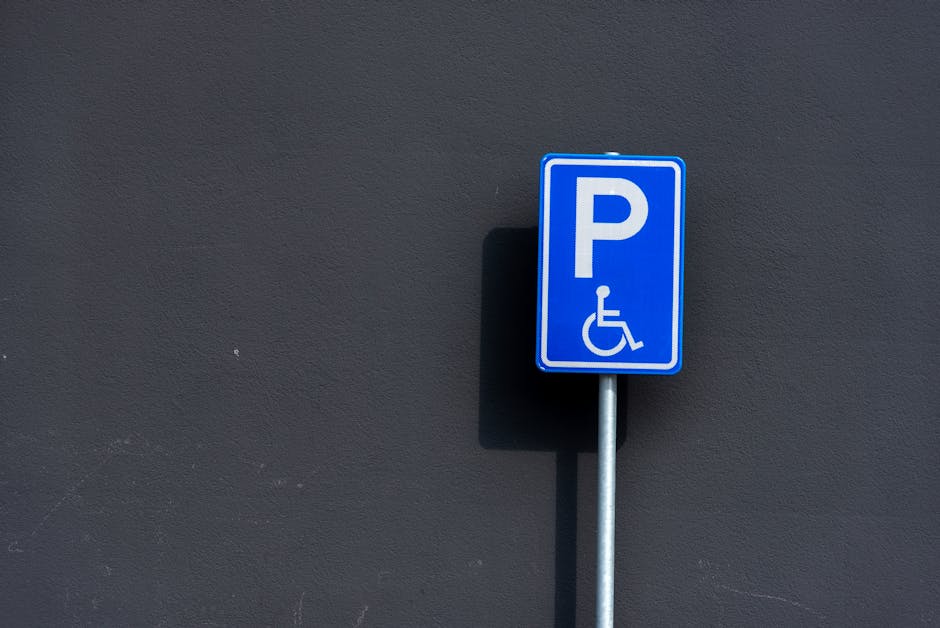
Havering Council parking permits for North Ockendon moves matter because they help you manage access legally and sensibly. They are not just about convenience; they can affect how quickly furniture is loaded, how safely items are carried, and whether the move creates friction with neighbours or enforcement officers. A poor parking setup can turn a straightforward two-hour move into something that drags on all afternoon. Nobody wants that.
There is also a practical safety angle. If the removal vehicle has to stop too far away, then heavier items need to be carried longer distances. That adds fatigue, raises the risk of knocks and scrapes, and increases the chance someone takes a bad step while balancing a wardrobe or a washing machine. If you want a bit more background on moving safely, understanding the mechanics of kinetic lifting and protecting yourself when lifting heavy items alone are both useful reads.
In short, parking is not an afterthought. It is part of the moving plan. If the access is sorted, the rest of the day usually feels calmer. Simple, but true.
How Havering Council parking permits for North Ockendon moves Works
The exact process can vary depending on the road, the type of bay, and whether any restrictions apply at the address, so it is always worth checking the latest guidance directly with the council or your removal provider. In plain English, though, the idea is straightforward: if your move needs a vehicle to stop in a restricted or controlled area, you may need some kind of parking authorisation, dispensation, or permit arrangement to avoid a penalty or disruption.
For a house move, the key question is usually not, "Can the van park somewhere nearby?" but, "Can the van park close enough, and legally, for loading and unloading?" That distinction matters. Some streets allow short stops, some have time-limited bays, some are permit controlled, and some have yellow-line or access restrictions that make ad hoc parking a poor idea.
Here is the practical version:
- You identify the move date and the exact addresses involved.
- You check whether the pickup or delivery road has any restrictions.
- You work out whether the vehicle will need a permit, suspension, dispensation, or another form of permission.
- You allow enough time for processing and approval, because waiting until the day before is... optimistic, to be fair.
- You make sure the final plan is communicated clearly to the driver, the residents, and anyone helping with the move.
There is a second layer too: even where a formal permit is not needed, a smart parking plan still helps. For example, if the property sits on a narrow road, a removal van may need to position carefully to avoid blocking traffic. If the route into the property is awkward, the team may also need to think about load order, carrying distances, and whether the vehicle should be a smaller van rather than a larger one. You can see how this connects with narrow driveway removal strategies in North Ockendon and parking and access tips for Upminster Road North moves.
The main thing is this: parking arrangements should be treated as part of move planning, not a same-day problem.
Key Benefits and Practical Advantages
There are several good reasons to sort parking properly before a move. Some are obvious, others only become obvious once you have lived through a difficult move with a van stuck half a street away and two people carrying a sofa past three wheelie bins. Not ideal.
- Faster loading and unloading: the closer the van is to the door, the less wasted time and walking distance.
- Lower physical strain: fewer long carries means less fatigue and lower risk of overexertion.
- Reduced disruption: careful parking makes it less likely you will inconvenience neighbours or block access.
- Cleaner scheduling: when parking is planned, the team can work to a more realistic timeline.
- Fewer surprises: you are less likely to discover that a bay is unavailable, a restriction is active, or a road is tighter than expected.
There is also a financial angle, even if nobody likes to talk about it. Delays caused by poor access can push a move into a longer job than expected. If you are comparing quotes or trying to keep the day efficient, parking is one of the hidden variables that can change the overall experience. If you want a deeper look at that side of things, hidden fees in North Ockendon removals pricing is worth a read.
And if you are moving a bulky home setup, better parking can also help protect the items themselves. A shorter carry usually means less chance of snagging a doorframe, scraping a wall, or dinging a cherished piece of furniture. In that sense, parking is part of item protection too, not just logistics.
Who This Is For and When It Makes Sense
These parking arrangements are most useful for anyone moving from or into an area where stopping space is limited or controlled. That includes first-time movers, families upgrading to a larger home, students, flat residents, and anyone relocating on a road where a van cannot simply pull in and sit there for an hour.
It tends to make the most sense when:
- the property is on a busier or narrower road;
- there are permit-only bays nearby;
- the move involves large furniture, white goods, or lots of boxes;
- you are moving in or out of a flat where access is already a bit fiddly;
- you have scheduled a same-day or time-sensitive move;
- you want to reduce the chance of holding up neighbours or traffic.
People moving into student accommodation often ask about this because they are working to a tight timetable and usually have a lot of kit to move in one go. If that is your situation, student removals in North Ockendon may be a helpful starting point.
It can also be a smart move for offices, because office relocations often involve scheduled building access, limited loading areas, and time pressure. A cramped parking plan and a fragile IT setup is not a fun combination. Actually, no one enjoys that combination.
Step-by-Step Guidance
If you want a practical way to approach Havering Council parking permits for North Ockendon moves, use this sequence. It keeps the admin manageable and reduces the chance of a last-minute scramble.
- Check the move addresses first. Note both the collection and delivery points, and look closely at the road layout, bay restrictions, and loading options.
- Decide what size vehicle is realistic. A larger van may reduce trips, but only if it can park safely. Sometimes a smaller vehicle with better access is the better choice.
- Identify the parking need. Ask whether you need a formal permit, dispensation, bay suspension, or just a sensible loading plan.
- Book early. The longer you leave it, the more likely it is that available parking or permission becomes awkward. This part is where people tend to underestimate time.
- Confirm the move window. Make sure the parking arrangement matches the arrival time, not just the moving day itself.
- Brief everyone involved. The driver, the movers, and anyone helping should know where the vehicle will stop and which entrance will be used.
- Prepare the route from van to door. Clear obstacles, protect narrow corners, and make sure the path is not cluttered with recycling boxes, plants, or a bike nobody remembers owning.
- Have a backup plan. If the closest bay is occupied, know where the next best option is and how much extra carry that creates.
For a lot of moves, the best preparation is a combination of parking planning and sensible packing. The better the boxes are organised, the faster the team can work once the van is in position. That is why these house-moving tips and packing and boxes support can be so useful together. Parking gets the vehicle close; packing keeps the rhythm going.
Expert Tips for Better Results
Here is where a bit of experience helps. Parking permissions are one thing; using them well is another.
- Map the worst-case carry distance. If the nearest bay is occupied, how far is the next option? Measure in steps or metres if you need to. It sounds small, but it matters when moving wardrobes.
- Think about the time of day. A road that is easy at 10am can be much more awkward at school-run time or during commuter traffic.
- Tell neighbours early if parking will be tight. A polite heads-up goes a long way. It may also save you from a passive-aggressive note on the windscreen, which nobody needs.
- Pack heavy items for shortest-carry priority. Put awkward or weighty items near the exit path if possible so they go first while everyone is fresh.
- Use a removal company that understands local access. Local knowledge is not a luxury; it often changes the whole shape of the move.
If you are moving delicate or awkward furniture, the parking setup should match the item profile. A sofa, for example, benefits from a direct and unobstructed path. A piano needs even more care, which is why specialist advice like expert piano relocation guidance can be worth your time. Similarly, if you are moving a bed or mattress, having the vehicle well positioned helps reduce bending, twisting, and all the odd little complications that appear when a landing is too small for comfort. This bed and mattress guide fits that scenario nicely.
One more thing: if you are trying to clear a property quickly, it may be worth reducing the volume before moving day. Less stuff means fewer van trips and less parking pressure. Simple maths, really. Decluttering before a move often pays off more than people expect.
Common Mistakes to Avoid
A lot of parking problems are not caused by bad luck. They are caused by moving too late, assuming a space will be available, or not checking whether the restriction applies to the exact bay you want to use. Let's face it, that sort of assumption is how moving day becomes an all-day event.
- Leaving permits until the last minute: you lose flexibility and may have fewer parking options.
- Assuming the street is "fine" because it looked quiet one morning: parking varies by time and day.
- Ignoring bay markings or signs: a space that looks empty may still be restricted.
- Booking a van that is too large for the road: more size is not always better if access is tight.
- Forgetting about neighbours' access needs: blocking driveways or entrances creates avoidable problems.
- Not planning for extra carry distance: if parking changes, the whole moving rhythm changes too.
There is also a soft mistake people make: they think parking is the mover's problem alone. In reality, the best moves are shared efforts. The customer knows the property; the removals team knows the logistics; and the parking arrangement sits somewhere in the middle.
If you are dealing with especially awkward access, you might find these pages helpful too: narrow driveway strategies and a suitable removal van in North Ockendon. The right vehicle choice can remove more stress than you think.
Tools, Resources and Recommendations
You do not need a pile of fancy kit to manage move-day parking well. In most cases, a few simple tools and a calm checklist are enough.
- Phone calendar reminders: useful for permit deadlines, arrival times, and neighbour notices.
- A basic site sketch: jot down where the van will stop, where boxes will come from, and which entrance is safest.
- Measuring tape: handy for checking stair widths, furniture dimensions, and likely carry routes.
- Labelled boxes: not directly a parking tool, but they save time when the van is already in place.
- Protective covers and trolleys: especially useful if the carry distance is longer than expected.
For fuller move preparation, these internal resources can help you stay organised without overcomplicating the day: services overview, removals in North Ockendon, house removals support, and man and van options.
If the move also involves storage, that can affect parking plans too. For example, if you are moving out in stages, loading may be split across different times, which means the vehicle may need repeated access. In that case, storage in North Ockendon can help smooth the process.
Law, Compliance, Standards, or Best Practice
This is the section where careful wording matters. Parking rules can differ by location, street type, bay designation, and local enforcement practice, so it is best not to guess. The sensible approach is to treat the permit process as a compliance issue, not a casual convenience.
In UK moving practice, the most reliable habits are:
- check the restriction that applies to the specific road or bay;
- plan the move around those restrictions, rather than trying to work around them on the day;
- keep records of the booking or permission if any permit has been arranged;
- make sure the driver understands where loading is allowed and where it is not;
- avoid blocking access points, driveways, crossings, or emergency routes.
Best practice also means being realistic. If the move is in a tight area, the right answer may be a smaller vehicle, an earlier arrival slot, or a short-term loading plan rather than trying to force a large van into a bad space. That is not a compromise; it is sensible logistics.
For companies and households alike, it is wise to keep an eye on broader operational standards too. Safe lifting, insured handling, and clear communication all matter. If you want a better feel for how those parts fit together, health and safety policy information and insurance and safety guidance show the kind of care that should sit behind any serious move.
Options, Methods, or Comparison Table
There is no single perfect approach for every move. The best method depends on the road, the property type, and how much you are moving. Here is a simple comparison to help you think it through.
| Approach | Best for | Pros | Trade-offs |
|---|---|---|---|
| Formal parking permit or dispensation | Restricted roads, controlled bays, planned removals | Clearer access, less chance of parking trouble, better loading control | Needs early planning and may involve admin time |
| Short loading stop with careful timing | Low-traffic roads or limited stopping areas | Simple if allowed, quick to organise | Less reliable, depends heavily on availability |
| Smaller van or shuttle-style moving | Narrow streets or difficult access | More flexible parking, easier manoeuvring | May need extra trips |
| Pre-loading from a driveway or private space | Homes with enough on-site space | Very efficient and tidy | Not always possible in North Ockendon properties |
In practice, many moves use a mix of these. For example, a customer might arrange a permit for the main loading point, then use a smaller van for awkward access at the final property. That kind of hybrid setup is more common than people think.
Case Study or Real-World Example
Here is a realistic example. A couple moving from a family house in North Ockendon had a sizeable amount of furniture: two beds, a sofa, a fridge-freezer, several book boxes, and a piano that they wanted handled carefully. The road outside their property looked manageable at first glance, but it was narrow enough that a larger vehicle would have made the bend awkward and blocked neighbours' access.
Instead of hoping for the best, they planned the parking setup early. They confirmed where the removal van could stop, checked that the route from the van to the front door was clear, and arranged the move so the heaviest items came out first while the team still had full energy. The piano was kept for specialist handling, the bed frames were wrapped in advance, and the fridge-freezer was staged near the exit before loading began. That last bit really mattered, because nobody wants a fridge dragging the whole schedule down at 11:30 in the morning.
The result was a calmer move with fewer interruptions. There were no parking arguments, no repeated repositioning of the vehicle, and no frantic pauses while someone tried to figure out whether the van could squeeze in closer. The customers said the difference was noticeable from the first ten minutes. Not flashy. Just efficient. And honestly, that is what most people want on moving day.
If your move includes large appliances or delicate items, it is worth planning for each one before the van arrives. The more awkward the item, the more parking and access matter. A bit of foresight goes a long way.
Practical Checklist
Use this checklist the day before your move. It is simple on purpose.
- Confirm the move address and exact loading point.
- Check whether the road or bay has parking restrictions.
- Arrange any required permit, dispensation, or loading permission early.
- Choose the right van size for the road and the furniture.
- Tell the removals team about any narrow access or awkward turns.
- Clear the pathway from property to vehicle.
- Label boxes so the load order makes sense.
- Protect fragile items and prepare awkward furniture first.
- Warn neighbours if the road may be busy for a short period.
- Keep your phone handy for last-minute coordination.
Expert summary: the best parking plan is the one that reduces walking distance, avoids restrictions, and keeps loading predictable. If you can get those three right, the rest of the move usually becomes much less stressful.
For people wanting end-to-end help, it can be useful to combine parking planning with a more complete move service. You can explore man with a van support in North Ockendon, removal services, or removal companies in North Ockendon depending on the scale of your move.
Get a free quote today and see how much you can save.
Conclusion
Havering Council parking permits for North Ockendon moves are not the most glamorous part of relocation, but they can be one of the most useful. When parking is planned well, the whole move tends to feel more controlled, safer, and less frantic. That means fewer delays, fewer awkward carries, and fewer of those tiny moving-day annoyances that somehow feel huge when you are already tired.
The best approach is usually simple: check the road, allow enough time, choose the right vehicle, and keep everyone informed. If you do that, you are already ahead of the curve. And if the rest of the moving plan is a bit messy, that is alright. Most moves are. The trick is getting the important bits right early, then letting the day unfold without too much drama.
Sometimes a well-placed van and a clear pavement really are the difference between chaos and calm. Funny old thing, parking.